Source Volkswagen Jetta Fuel Injector Nozzle for Engine Repair
Find the Volkswagen Jetta fuel injector nozzle among 30 available options. Compare specifications like part numbers 0280155791 and 06A906031AS, material types, and MOQs from verified suppliers to ensure reliable engine performance and fitment; compare the available evidence and request quotations based on your requirements.
Key considerations
Products List


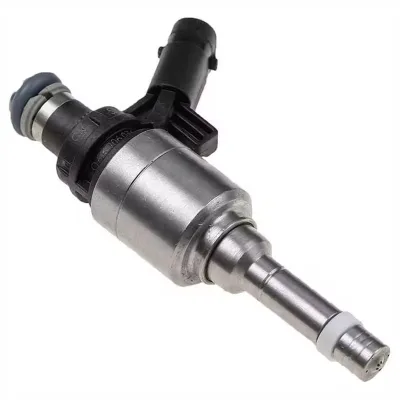


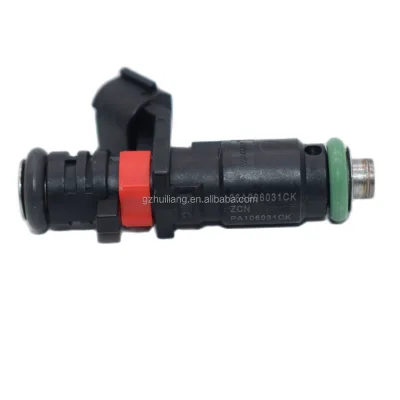
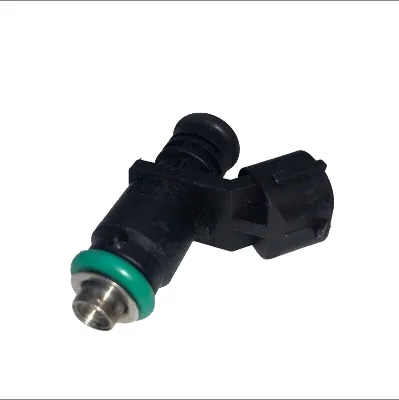
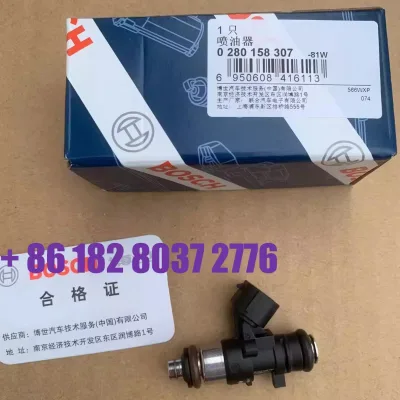

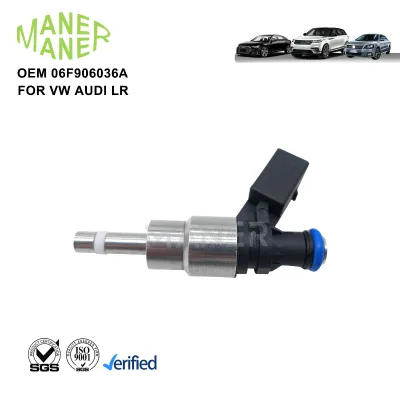
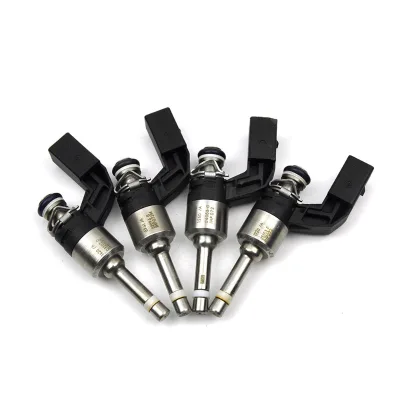


Comprehensive Sourcing Guide
Volkswagen Jetta Fuel Injector Nozzle Sourcing Guide
Sourcing a Volkswagen Jetta fuel injector nozzle requires careful attention to specific part numbers and compatibility data to ensure engine performance remains optimal. The market offers various models, including part numbers like 0280155791, 06A906031AS, and 06H906036G, which are critical for matching the correct component to the vehicle's fuel injection system. Buyers must verify that the listed product matches the specific engine configuration of their Jetta, as variations exist between different model years and production batches.
Procurement decisions should also account for the physical attributes and packaging standards observed in current listings. Products are frequently described with dimensions such as 9cm by 4cm by 2.9cm and come in OEM, neutral, or custom packaging options. Understanding these physical specifications helps buyers assess shipping costs and storage requirements, while ensuring the received goods align with the original equipment manufacturer's standards for fitment and protection during transit.
Product Scope and Observed Listing Signals
The available inventory for Volkswagen Jetta fuel injectors spans a wide price range, typically observed between 2 and 48 USD, reflecting differences in brand, material quality, and supplier positioning. This variance necessitates a thorough review of the product description to distinguish between generic aftermarket parts and those designed to meet strict OEM tolerances. Buyers should be wary of listings that lack specific model numbers or fail to explicitly state the fuel type, as these omissions often indicate a mismatch with the vehicle's requirements.
Minimum Order Quantities (MOQ) also vary significantly across suppliers, ranging from a single piece for in-stock items to bulk orders of 50 pieces for custom or specialized runs. Some suppliers offer flexible terms with an MOQ of just one piece if stock is available, while others require minimums of 10 or 20 pieces to trigger production or shipping. This variability allows small workshops to test individual units while larger fleets can secure bulk pricing, provided they can meet the specific quantity thresholds set by the vendor.
Technical Specifications to Verify
Technical verification begins with confirming the stroke type and cylinder configuration, as most observed listings specify a four-stroke engine design with multi-cylinder compatibility. The fuel type is consistently listed as gasoline, and the carburettor or injection system type, such as downdraft or horizontal draught, must align with the specific Jetta engine architecture. Buyers should cross-reference the listed model numbers against their vehicle's service manual to ensure the internal nozzle geometry and spray pattern are correct for the intended application.
Material composition and physical dimensions are equally critical for long-term durability and proper installation. The body material is frequently identified as steel or high-speed steel, which provides the necessary resistance to high-pressure fuel environments and thermal stress. Additionally, the product size is often noted as OEM standard, ensuring that the nozzle fits the fuel rail and injector housing without modification. Verifying these physical traits prevents installation errors and ensures the component can withstand the operational demands of the vehicle.
Compliance and Safety Documentation
While specific certification details like ISO standards are mentioned for certain fuel injection devices, buyers must request explicit documentation to confirm compliance with safety regulations in their target market. The presence of a certification label does not automatically guarantee that every listed unit meets local environmental or safety standards, so verifying the specific scope of the ISO certification is essential. Procurement teams should ask suppliers to provide test reports or certificates that explicitly cover the fuel injector nozzle model being purchased to mitigate liability risks.
Quality assurance processes are another vital component of compliance, with many suppliers claiming a 100% professional test protocol before shipment. This claim suggests that each unit undergoes rigorous functional testing, but buyers should seek evidence of this process, such as batch test records or quality control logs. Ensuring that the supplier has a documented quality management system in place helps guarantee that the delivered parts are free from defects and perform reliably under the high-pressure conditions typical of modern fuel injection systems.
Cost Drivers and Commercial Terms
The final cost of a fuel injector nozzle is influenced by several factors, including the complexity of the manufacturing process, the quality of the steel used, and the specific packaging requirements. Premium packaging options like OEM or custom cowtotal packages may add to the unit cost but provide better protection during shipping, reducing the risk of damage. Buyers should evaluate whether the added cost of specialized packaging is justified by the value of the parts and the shipping distance to their location.
Commercial terms such as delivery time and payment conditions also play a significant role in the total cost of ownership. Lead times are generally observed to be around 3 to 10 working days, which allows for relatively quick replenishment of inventory but requires careful planning to avoid production delays. Negotiating favorable terms regarding shipping costs and payment schedules can help manage cash flow, especially when ordering larger quantities that meet higher MOQ thresholds.
Supplier Qualification and Quality Control
Supplier qualification involves verifying the manufacturer's location and reputation, with observed origins including Guangdong, Shandong, and general China-based production facilities. Knowing the specific province of origin can provide insights into the local industrial ecosystem and the supplier's logistical capabilities. Buyers should prioritize suppliers with a proven track record in the automotive parts sector, as this often correlates with more consistent quality control and better after-sales support.
Quality control measures should be a primary focus during the supplier selection process, with an emphasis on the "High-Quality" and "New" condition claims found in listings. It is crucial to confirm that the supplier performs rigorous inspections, such as the mentioned 100% professional test, to ensure every nozzle meets performance standards before leaving the factory. Establishing a clear communication channel for quality issues and requesting pre-shipment samples can further validate the supplier's ability to maintain consistent product standards.
Long-Term Procurement Checks
Establishing a long-term procurement strategy requires regular audits of supplier performance and product consistency over time. Buyers should monitor the stability of part numbers and specifications, as changes in manufacturing processes can lead to variations in fitment or performance. Maintaining a relationship with a reliable supplier ensures that future orders match the initial successful purchases, reducing the risk of compatibility issues with the Volkswagen Jetta fleet.
Continuous verification of lead times and stock availability is also essential for maintaining operational efficiency. While current lead times are estimated at 3 to 10 working days, market fluctuations or supply chain disruptions can impact these figures. Buyers should maintain a buffer stock of critical components and regularly communicate with suppliers to anticipate potential delays, ensuring that their vehicle maintenance schedules are not disrupted by unexpected part shortages.
FAQs
How can I verify the quality of a Volkswagen Jetta fuel injector nozzle before ordering?
Request documented test records, since listings for these nozzles state 100% professional testing before shipment. Ask the supplier to confirm each unit is tested for spray pattern and sealing, and check that the product condition is listed as new. Reviewing sample units and matching the OEM part number to your Jetta model also reduces the risk of receiving incompatible or untested components.
What part numbers are commonly listed for Volkswagen Jetta fuel injector nozzles?
Listings reference several OEM-style numbers, including 06A906031AS, 06H906036G, 0280155995, 0280155791, and 0280155897. Always match the number printed on your original injector before ordering, because Jetta engines across model years use different injector designs. Sending your vehicle identification number or the old part number to the supplier helps confirm exact fitment before production or shipment is arranged.
Which MOQ should I expect when sourcing these fuel injector nozzles?
Minimum order quantities vary by listing, with observed values ranging from 1 piece to 50 pieces. Some suppliers state 1 piece if the item is in stock, while others set 10 or 20 pieces per order. If you need samples first, prioritize suppliers advertising single-piece MOQ for stocked items, then negotiate volume pricing once fitment and quality are confirmed.
Can I get customized packaging for Volkswagen Jetta fuel injector nozzles?
Yes, customization is available from listed suppliers, and packaging options include OEM package, neutral package, and other branded cartons. Neutral packing is common for distributors who resell under their own label. Specify your preferred packing method in the inquiry stage, confirm any labeling requirements in writing, and note that custom packaging may affect lead time, which is typically about 3 to 10 working days.
What is the typical delivery time for Jetta fuel injector nozzles from China?
Listed delivery times are about 3 to 10 working days, usually counting from order confirmation and covering dispatch from origins such as Guangdong or Shandong. Actual arrival depends on the shipping method you choose and destination customs clearance. For urgent orders, confirm stock availability first, since in-stock items ship faster than units requiring testing or special packaging before dispatch.
How do I confirm a fuel injector nozzle fits my specific Jetta engine?
Compare the OEM number on your existing injector with the supplier listing, since Jetta models span multiple engine generations with different injector specifications. Provide your vehicle model year and engine code when inquiring. Some listings also advertise universal fitment, but verified OEM number matching remains the most reliable method to avoid compatibility problems after installation.
What materials and construction are typical for these fuel injector nozzles?
Listings describe body materials such as steel and high speed steel, with the component classified as a fuel injection device for gasoline, 4-stroke, multi-cylinder engines. Steel construction supports durability under high fuel pressure and repeated injection cycles. Ask suppliers for material specifications and machining details, and confirm the nozzle matches OEM standard size, with one listing citing dimensions of 9cm by 4cm by 2.9cm.
Which certification or quality evidence should I request from injector suppliers?
Some listings reference ISO certification, so ask suppliers to provide a valid certificate copy and confirm its scope covers fuel injection components. Combine this with their stated 100% professional testing practice by requesting batch test reports. Verification through a third-party inspection before shipment is a practical safeguard for first orders, especially when sourcing new injector models or larger quantities.